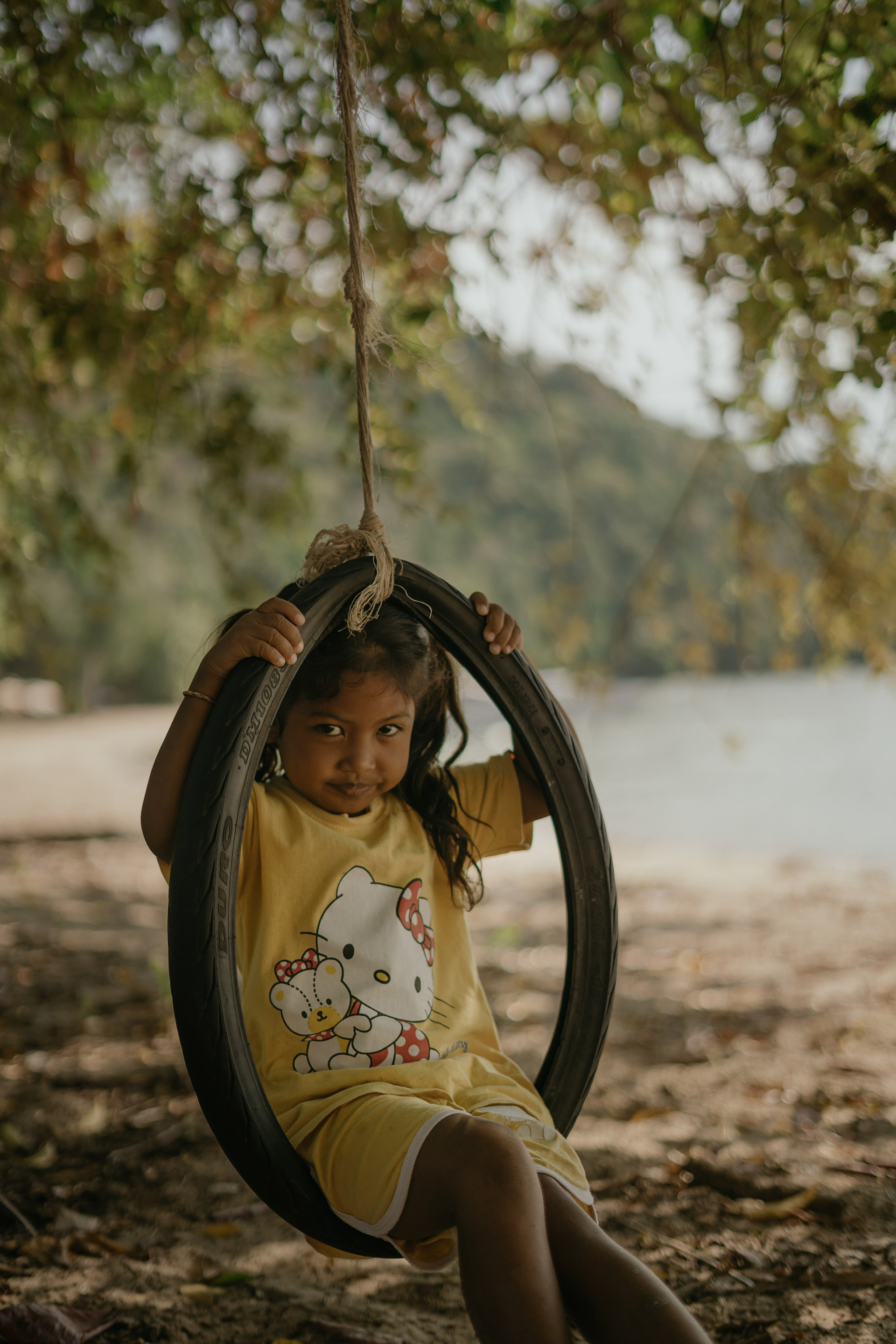
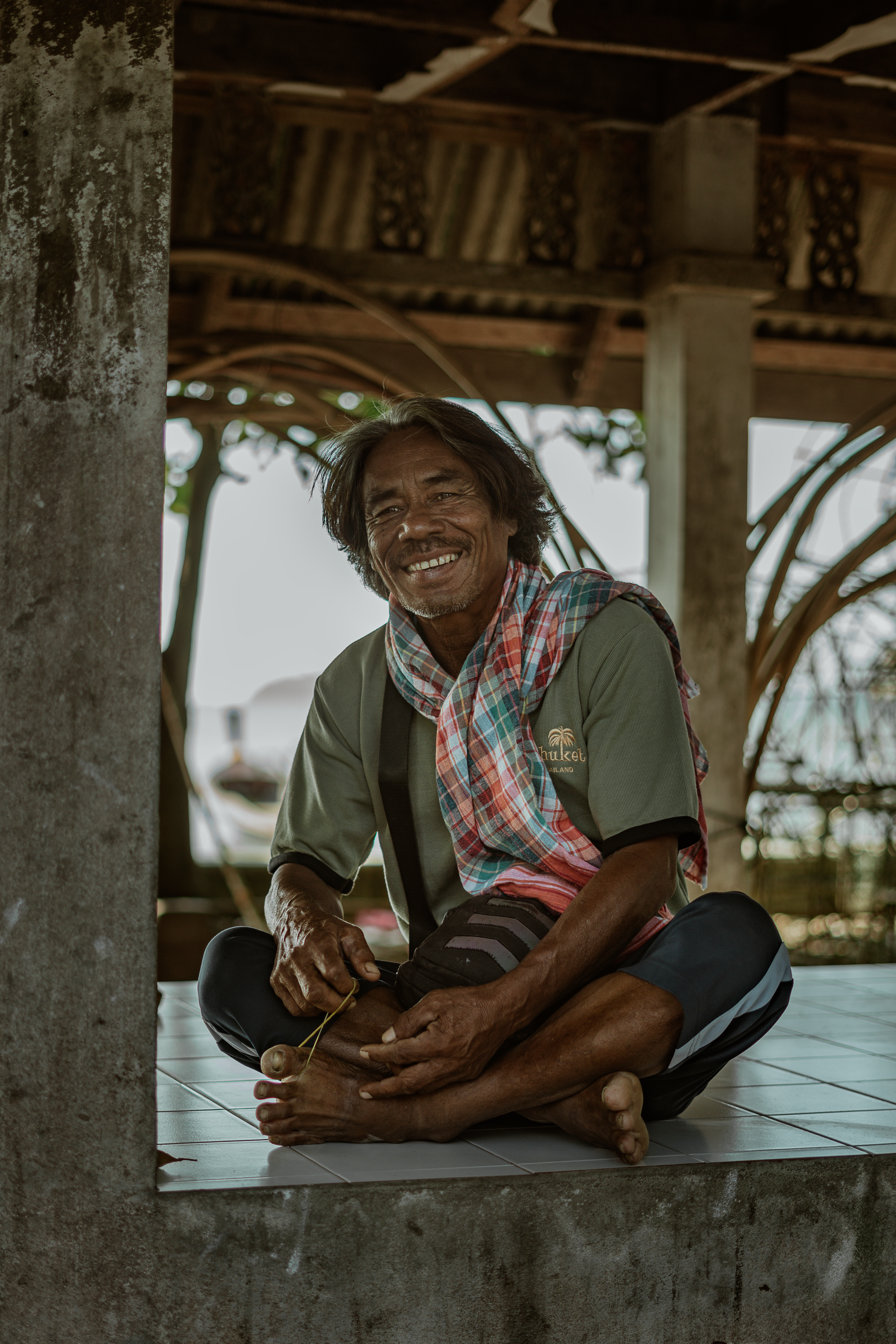
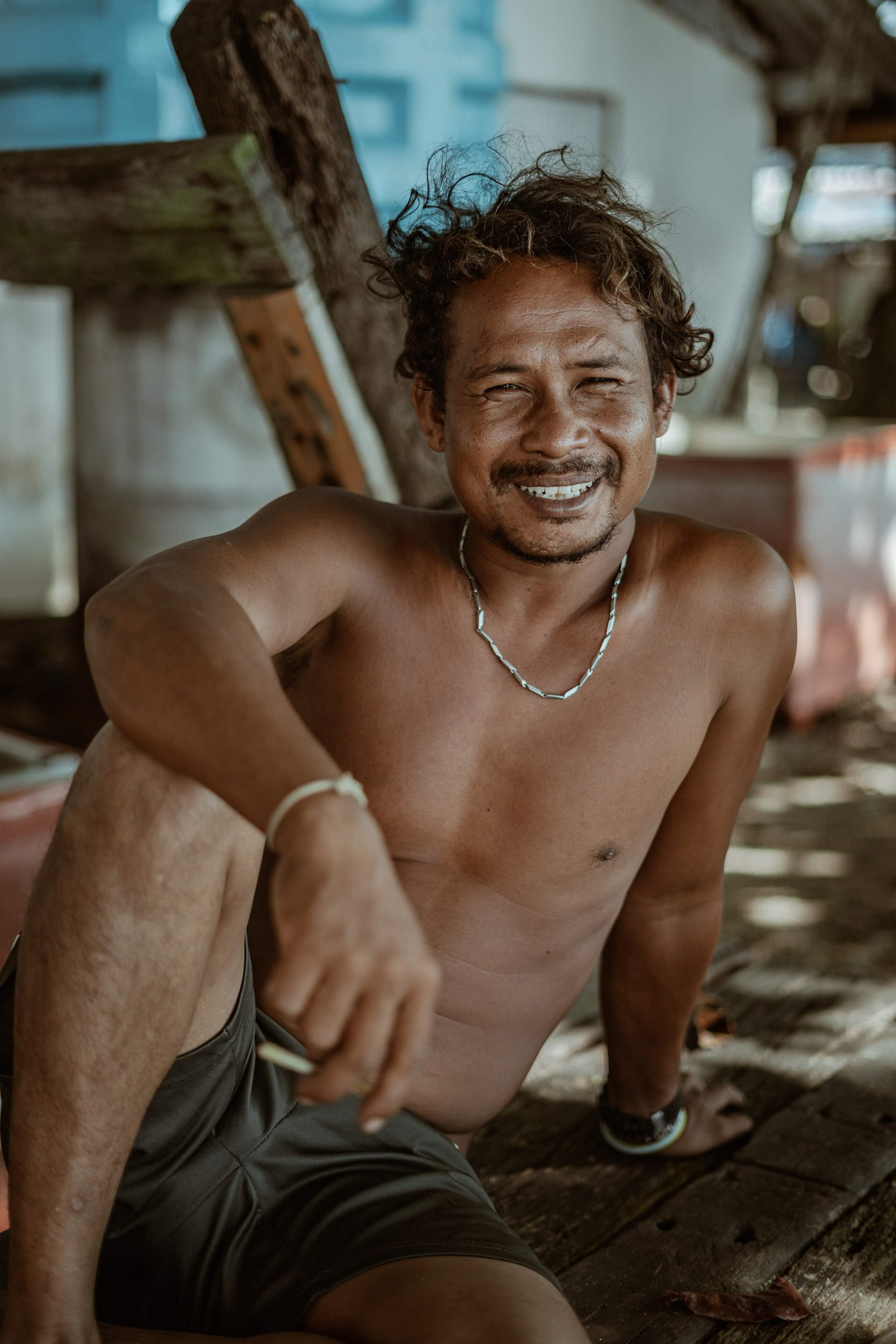
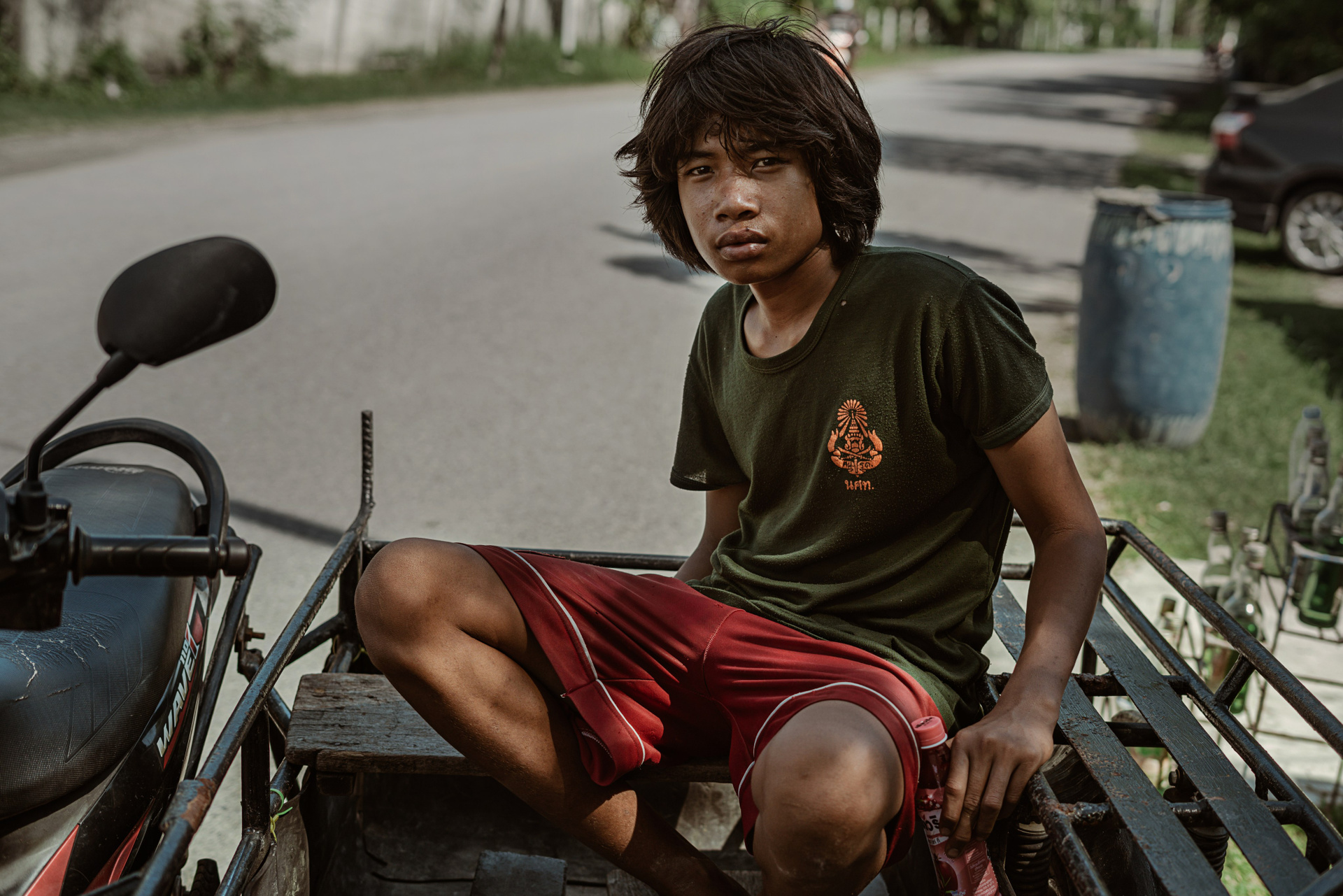
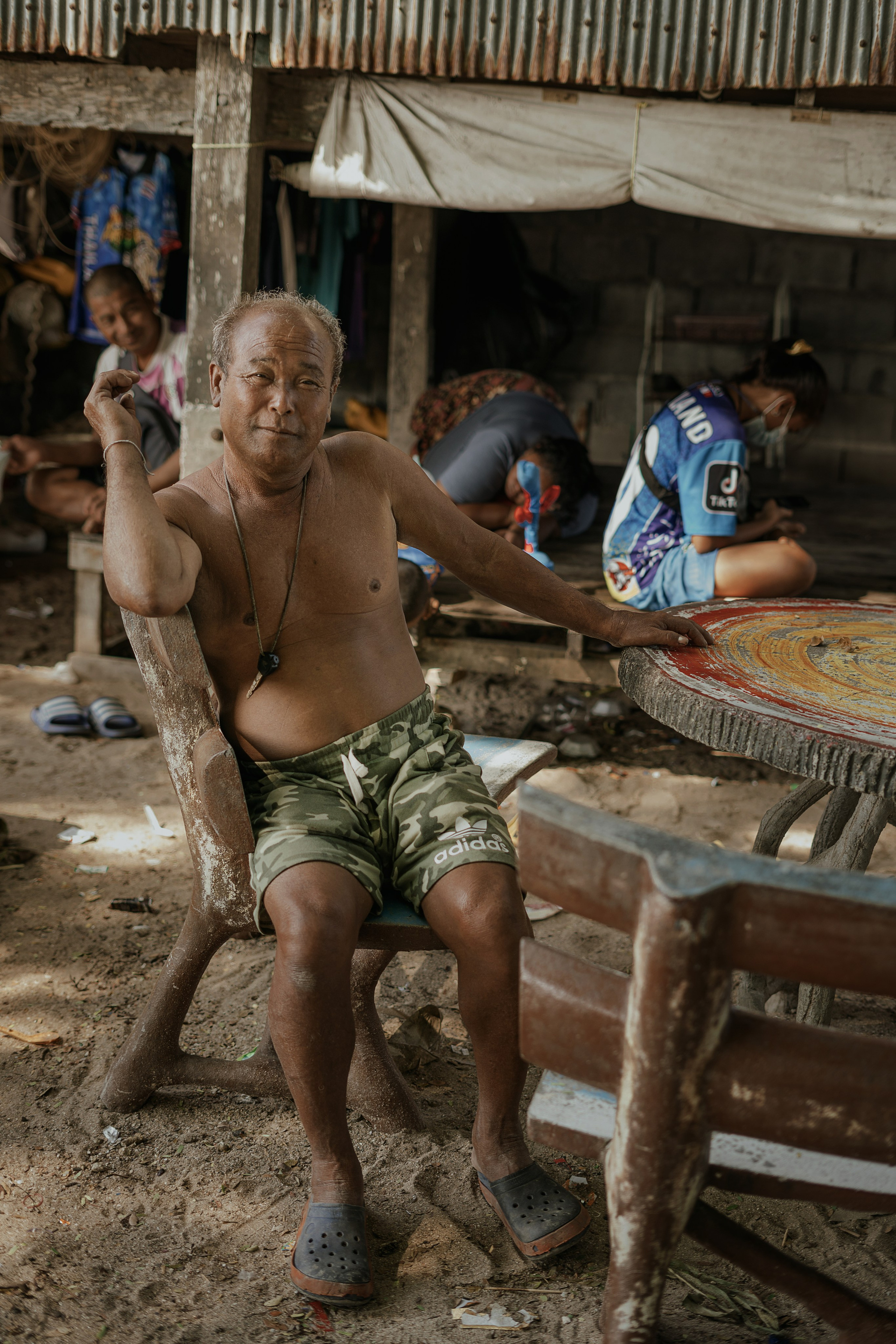
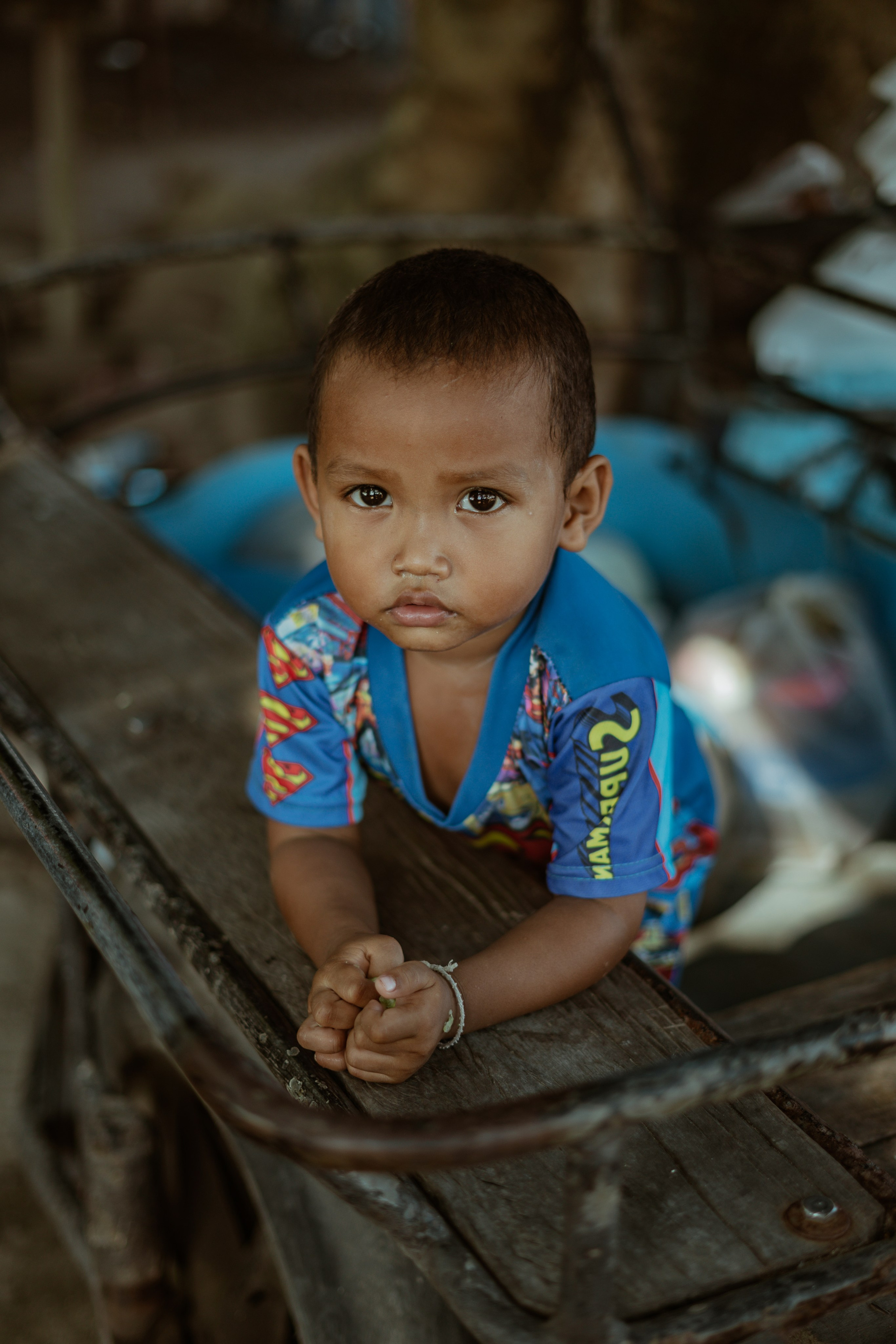
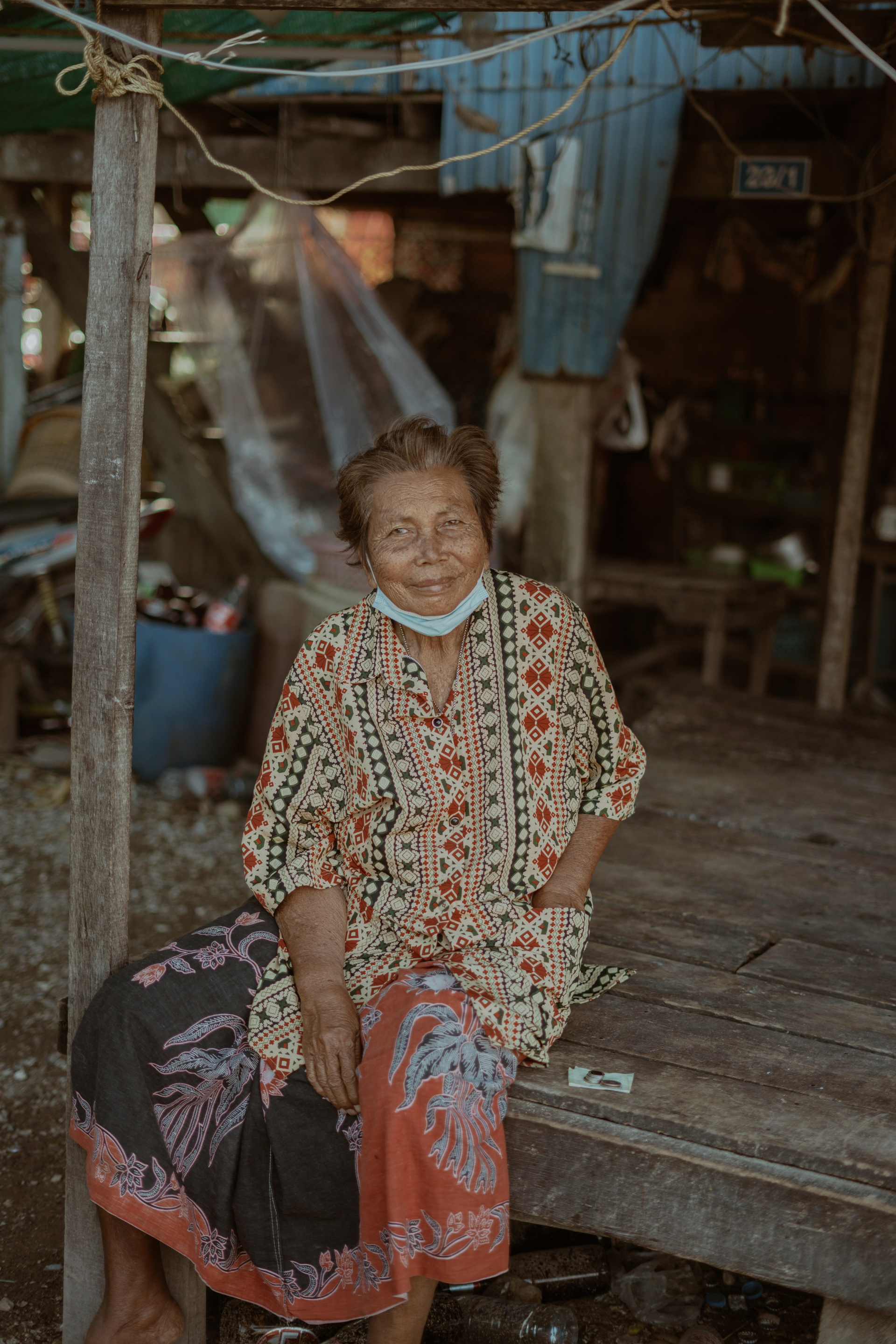
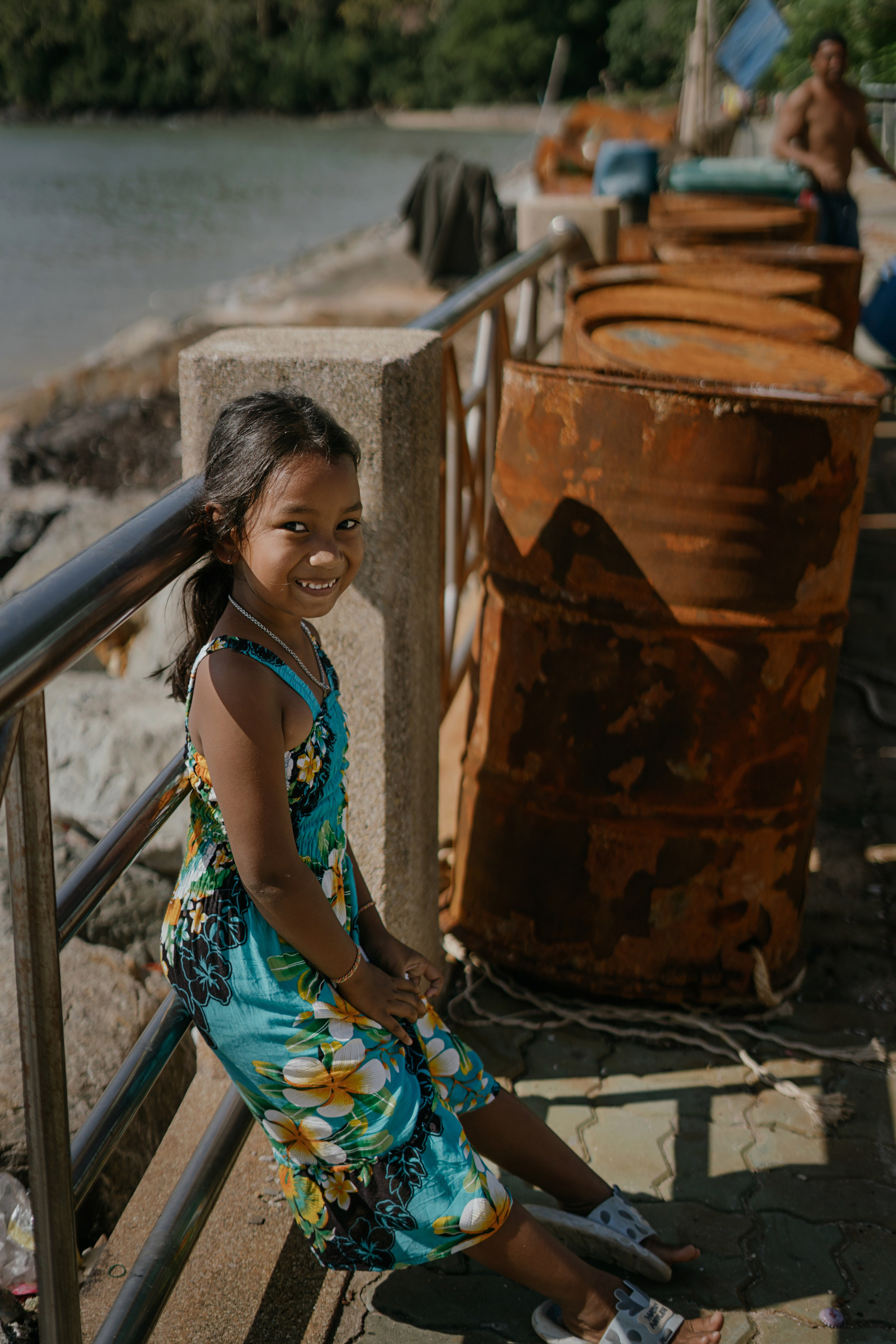
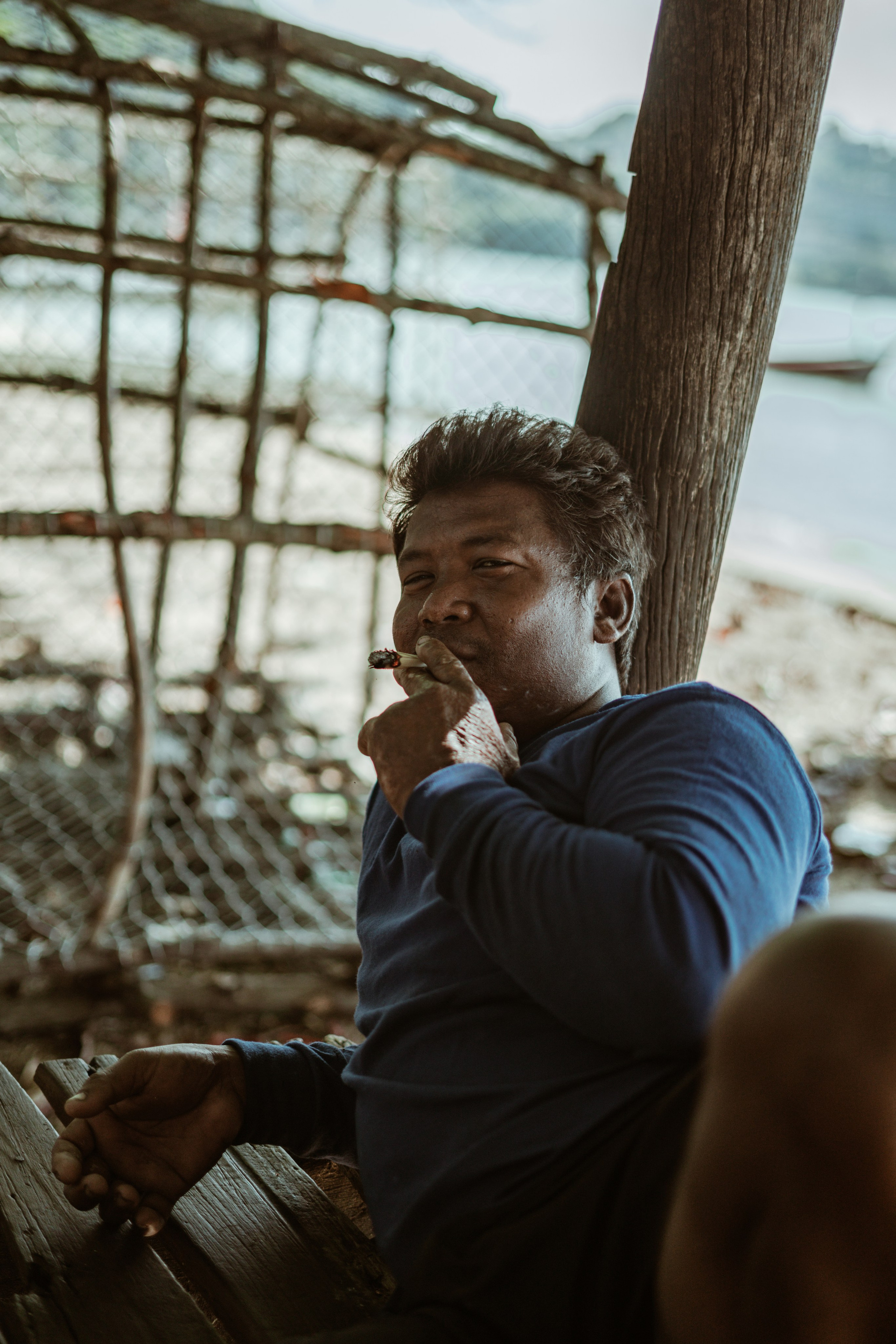
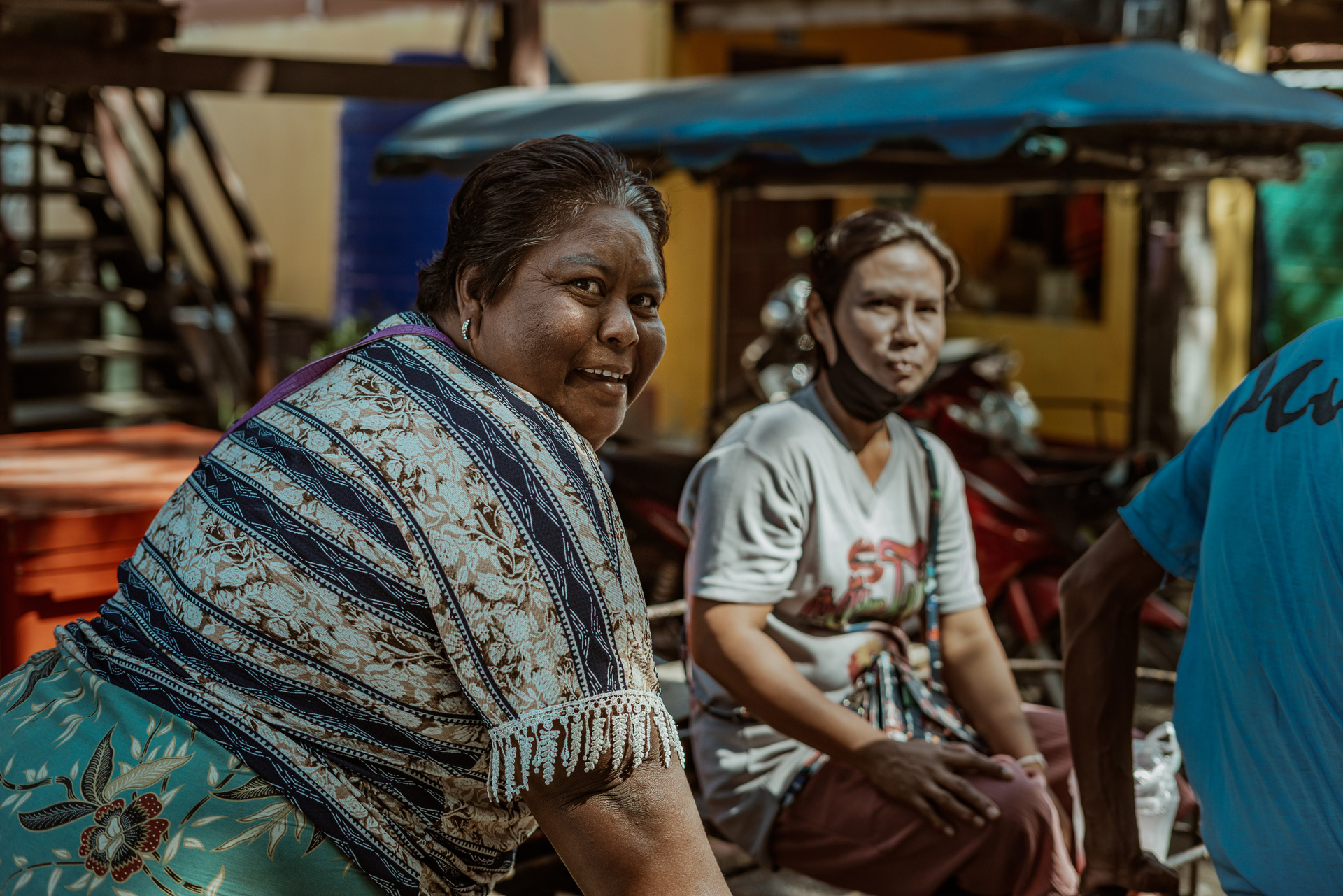
The Chaoleys — Sea Nomads
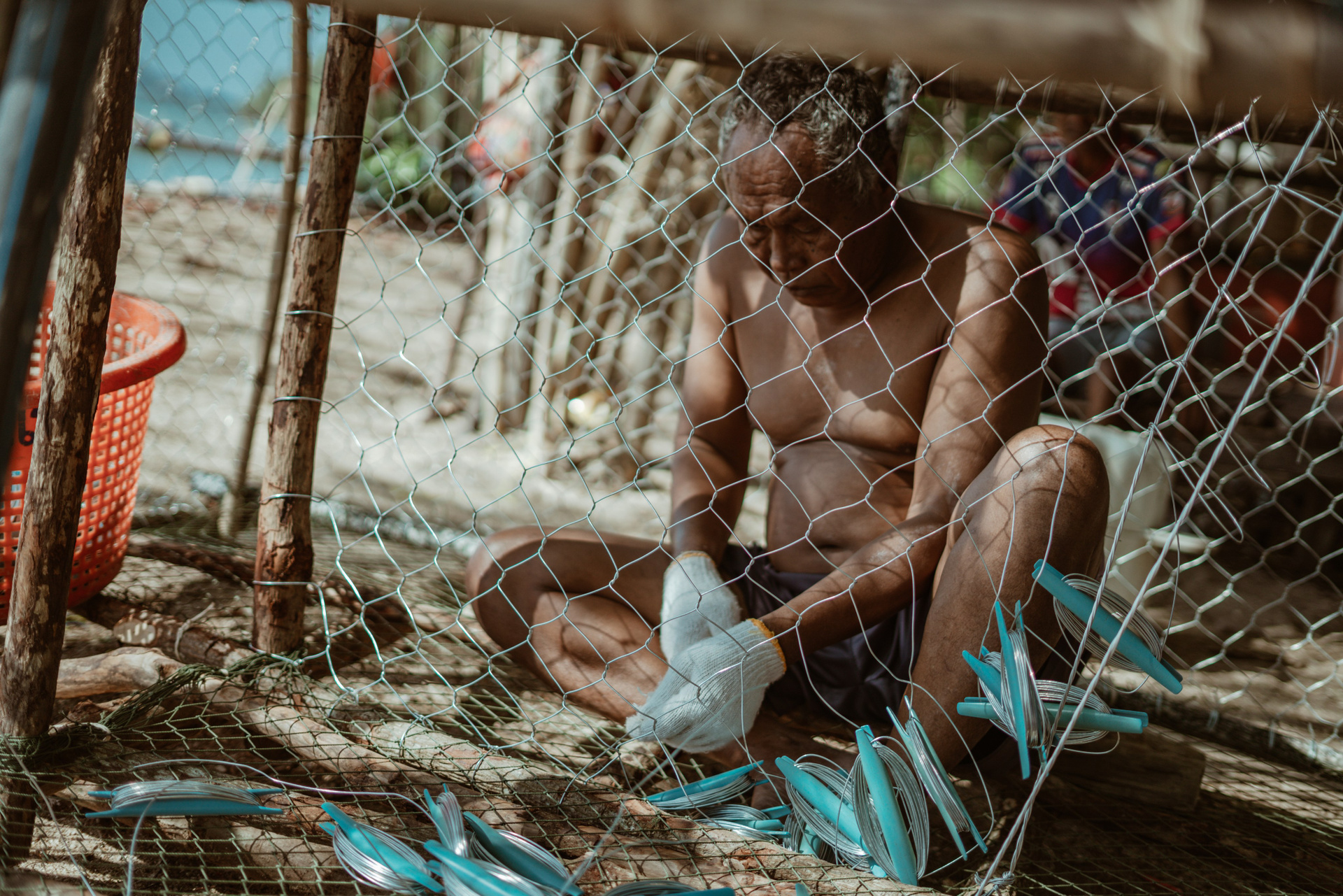
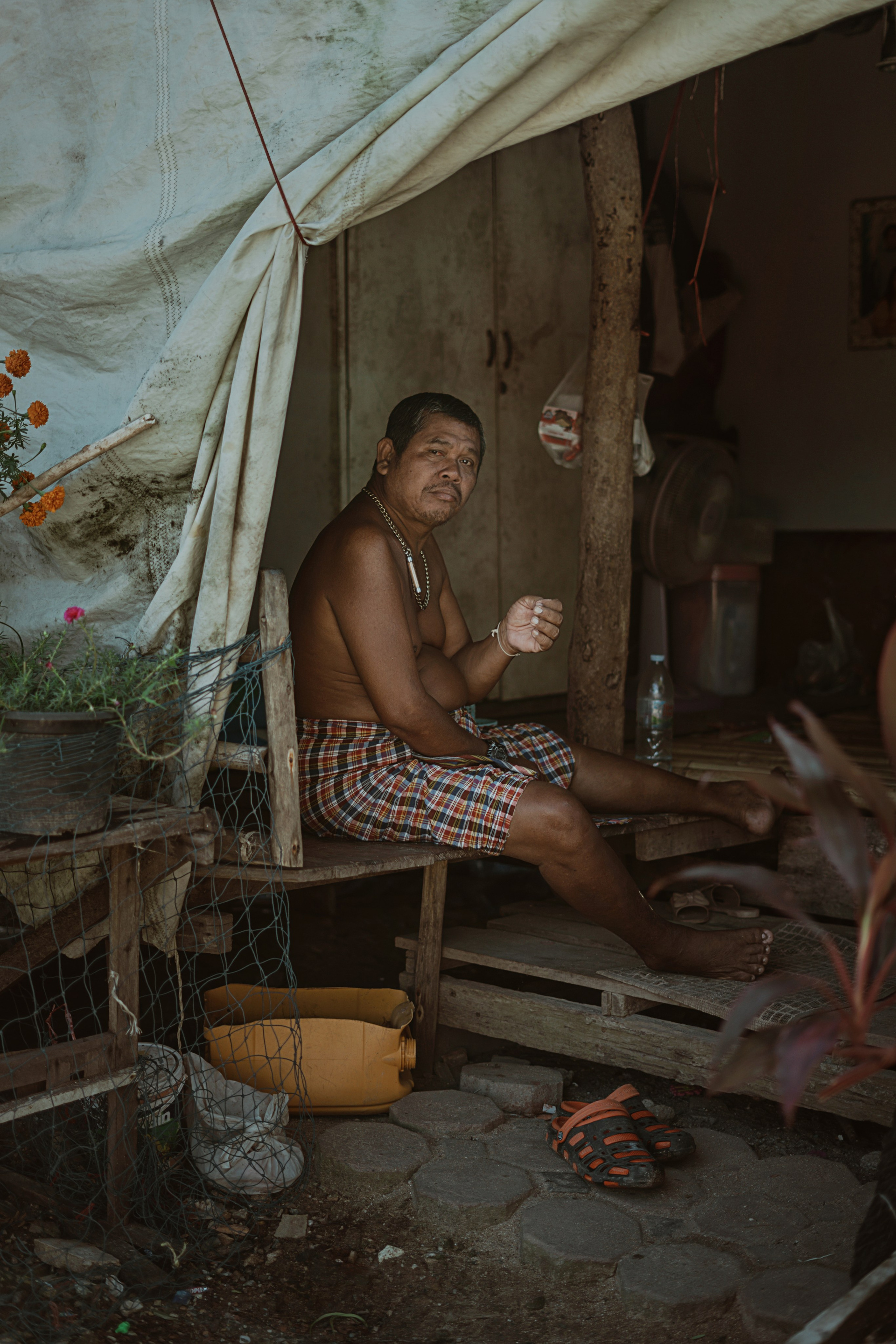
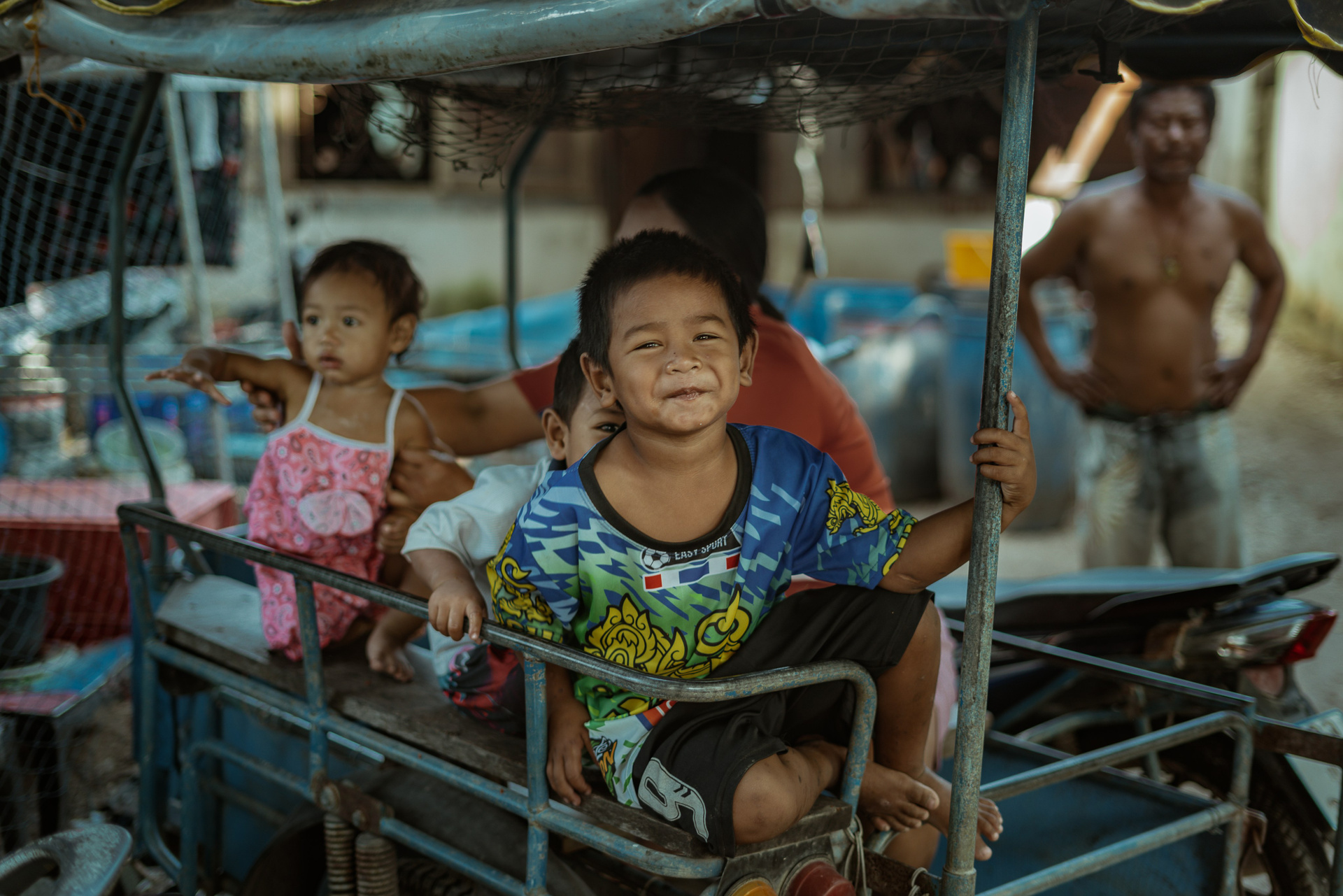
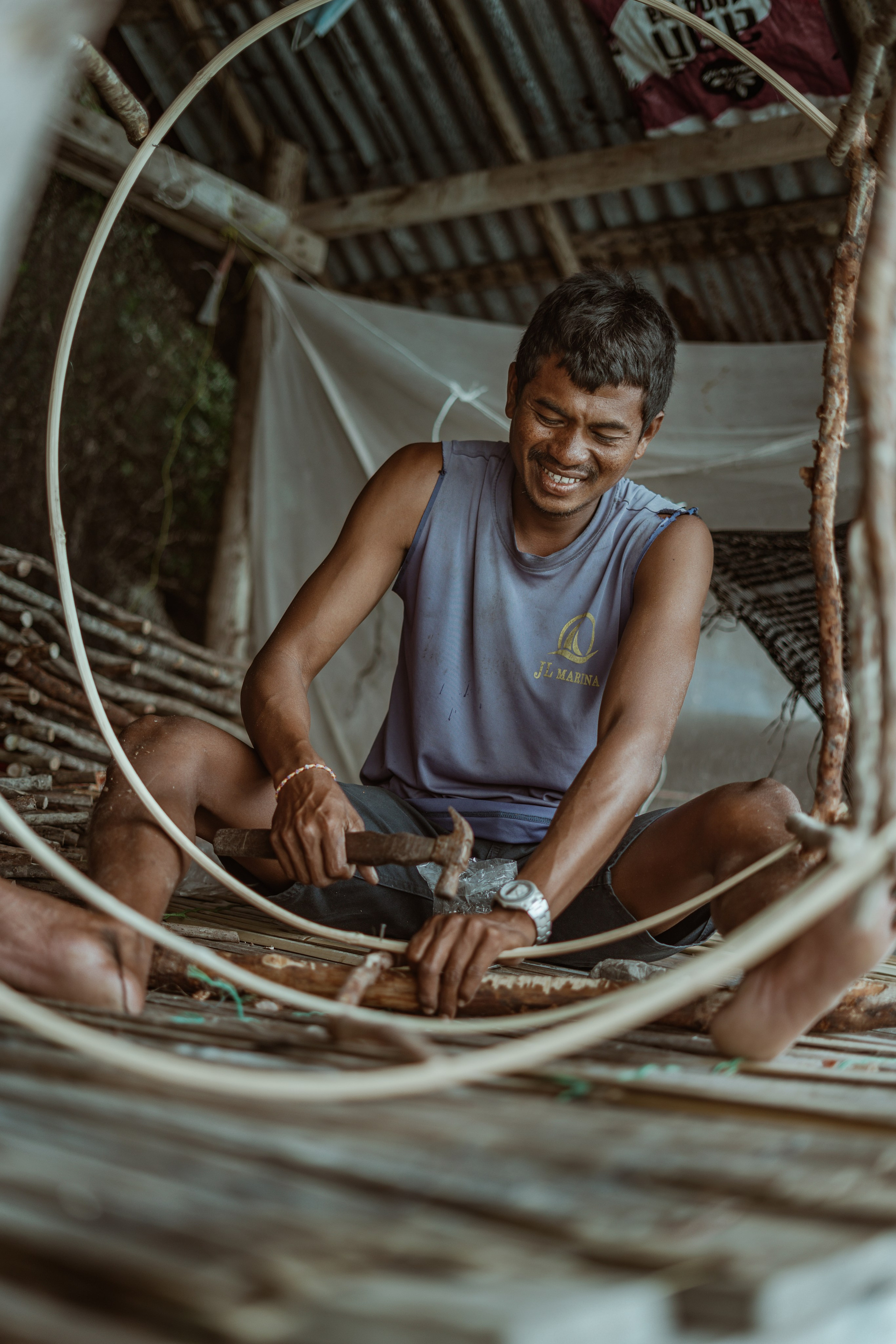
Thailand is one of the most visited countries in Southeast Asia. However, far less is known about the nomadic sea communities known as the Chaoleys, or “people of the sea”.
Three main groups live in Thailand: the Moken, the Moklen, and the Urak Lawoi. While the Moken still maintain a nomadic way of life, the Moklen and Urak Lawoi have settled in coastal villages, including areas around Phuket.
The Chaoleys have no written language and speak their own dialect, related to Malay with Thai influences. Their belief system is deeply connected to nature and the spiritual presence of the sea and the environment.
Today, many Chaoleys face limited legal recognition, which affects access to education, healthcare, and other public services. As a result, traditional ways of life are increasingly under pressure.
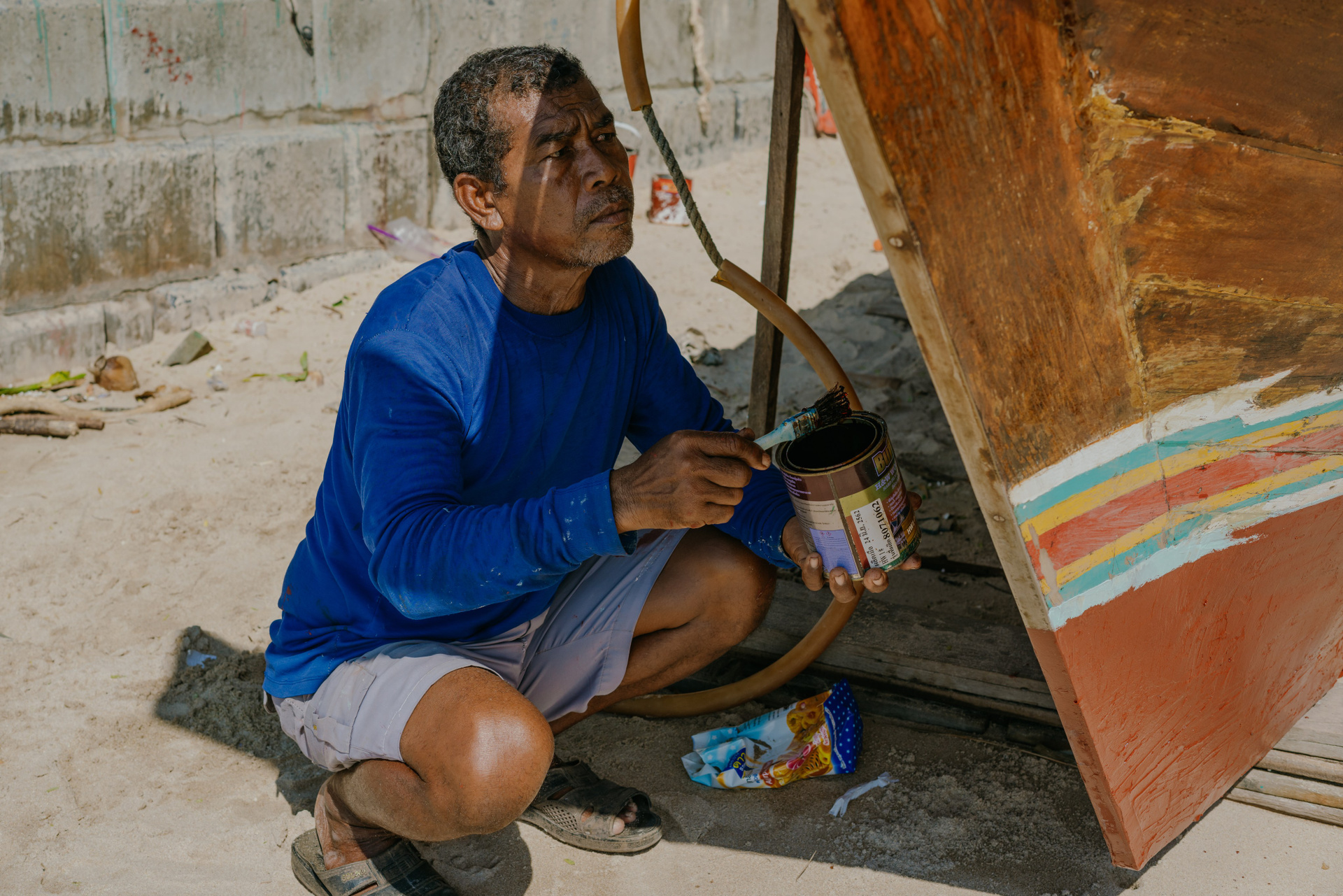
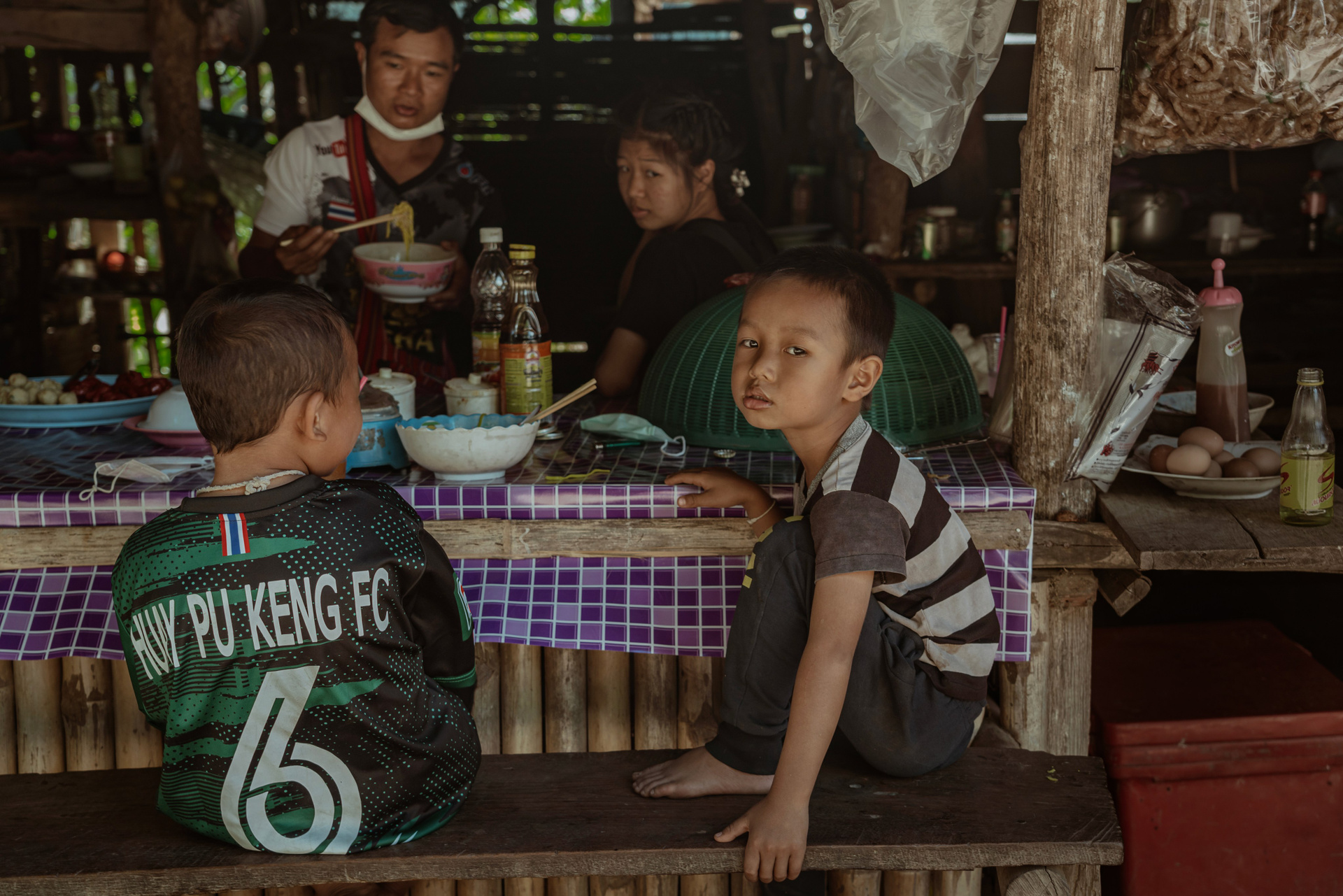
With the growth of tourism and economic change, younger generations are gradually moving away from ancestral practices such as fishing and diving, taking on work in markets, restaurants, and tourism-related activities.
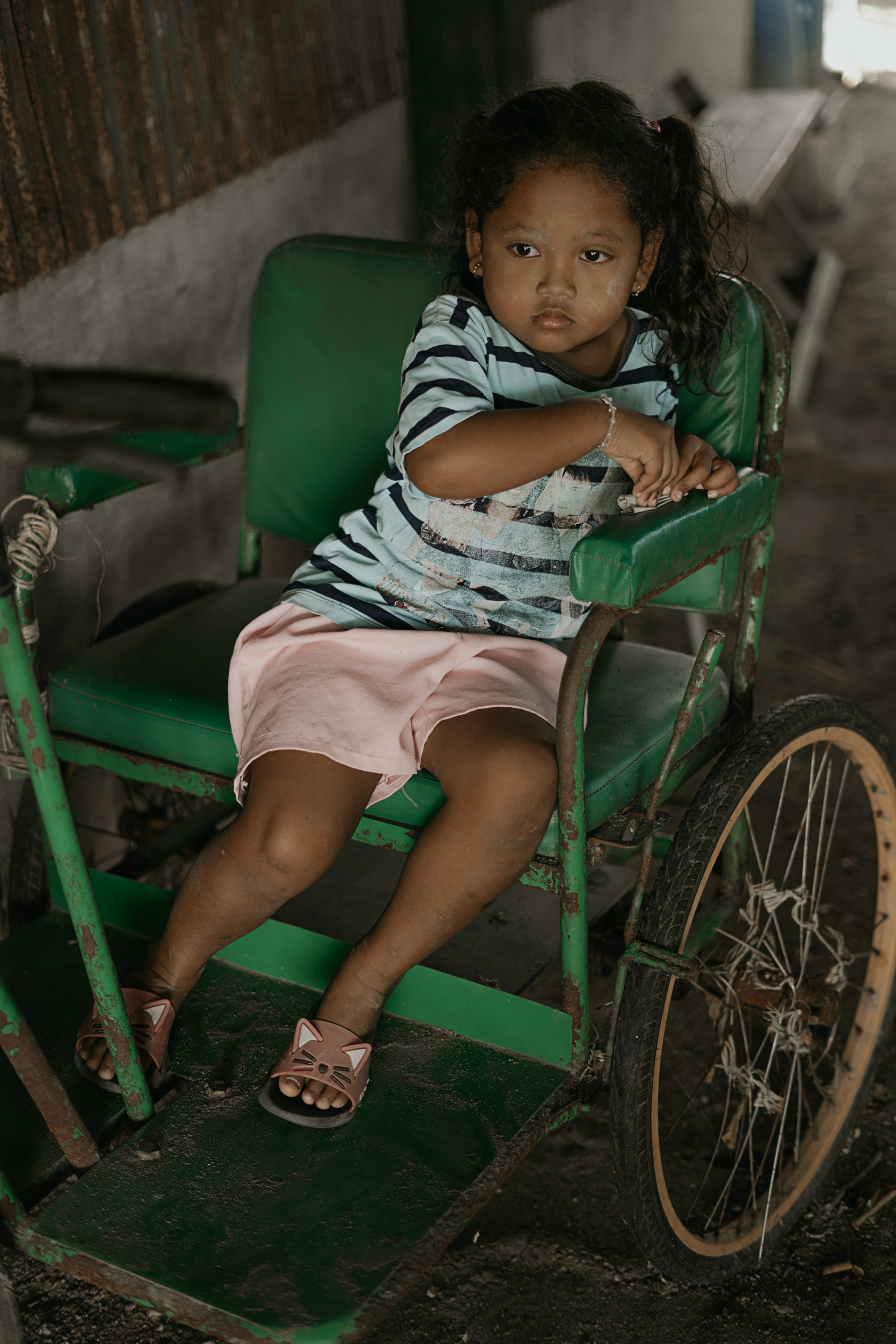
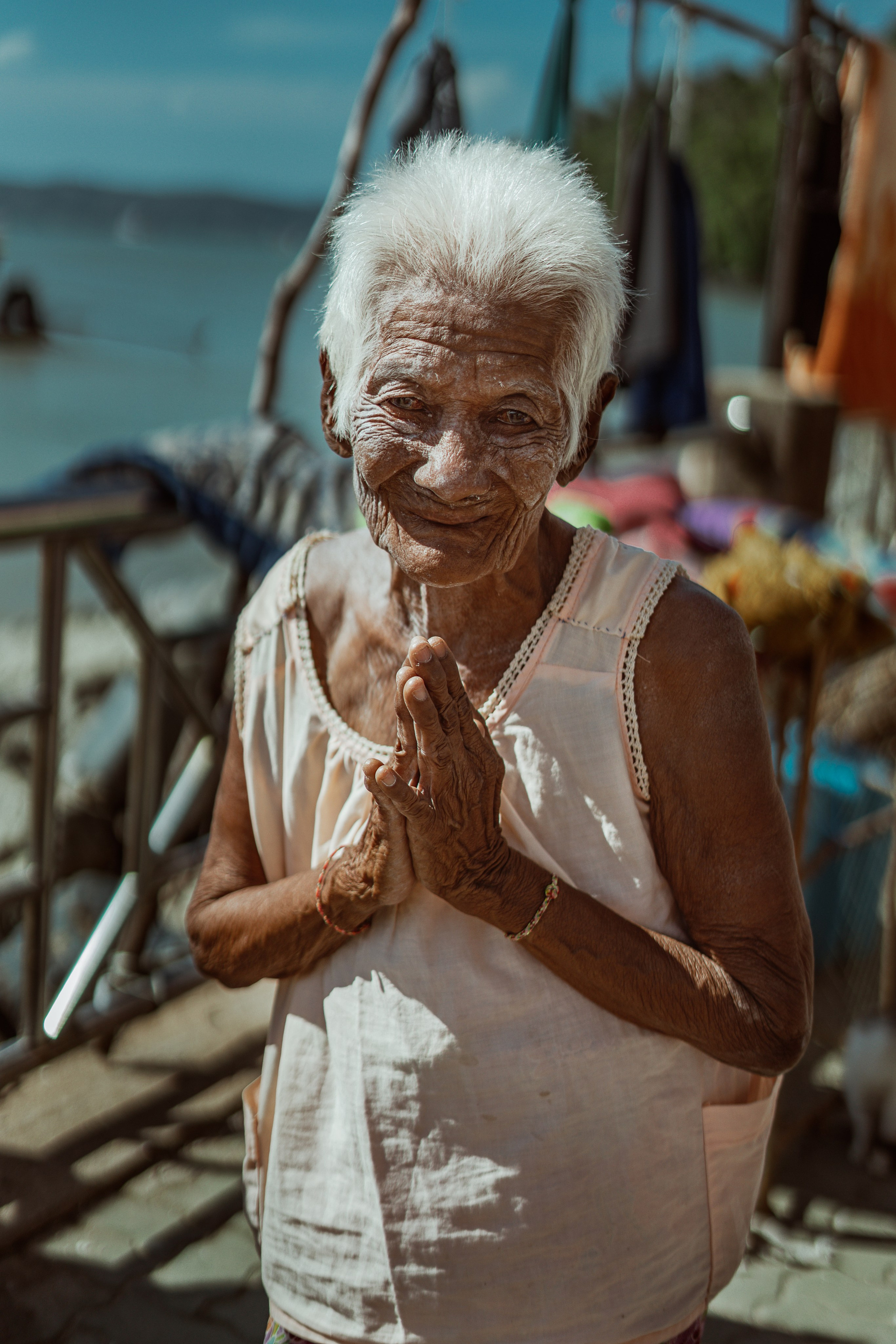
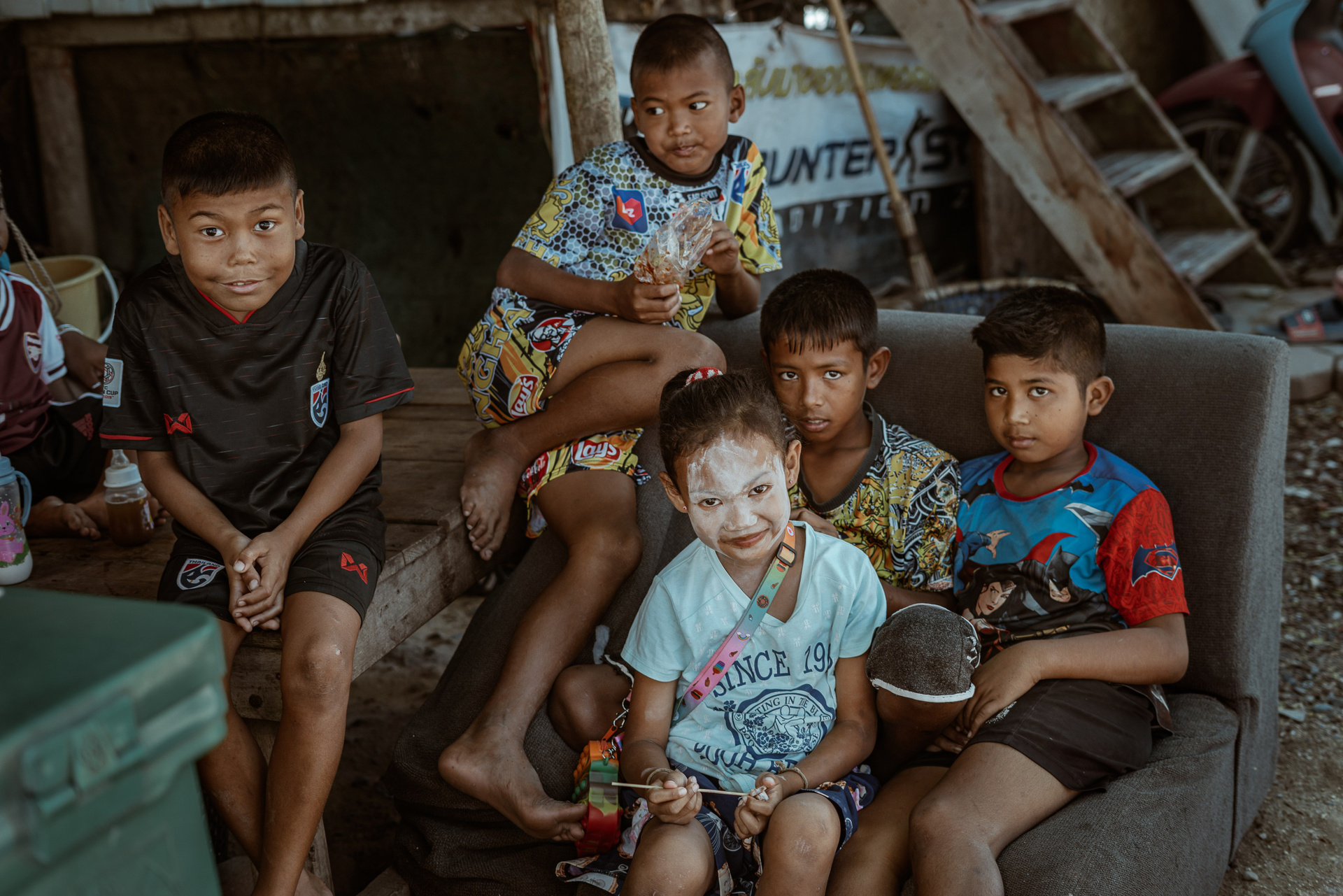
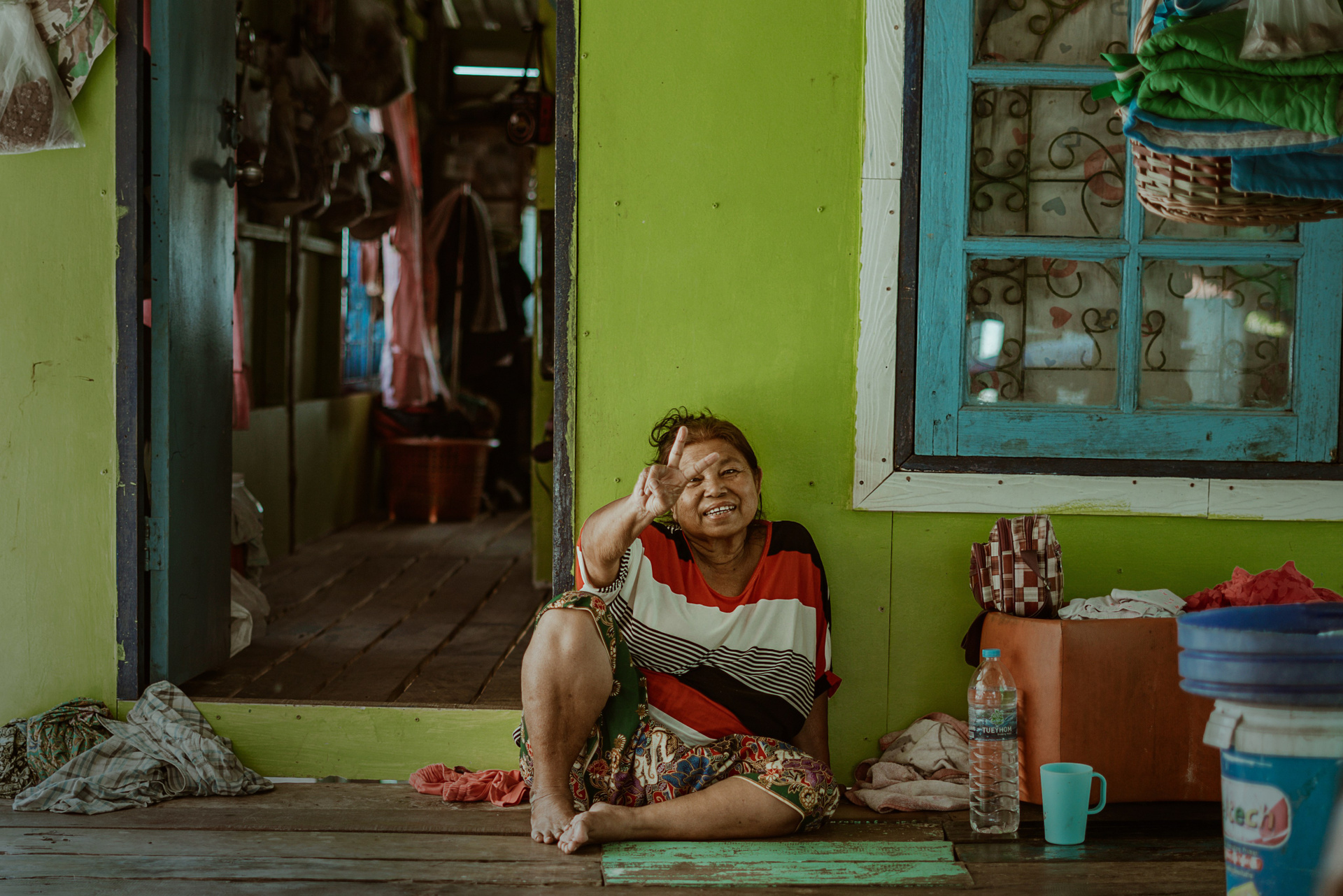
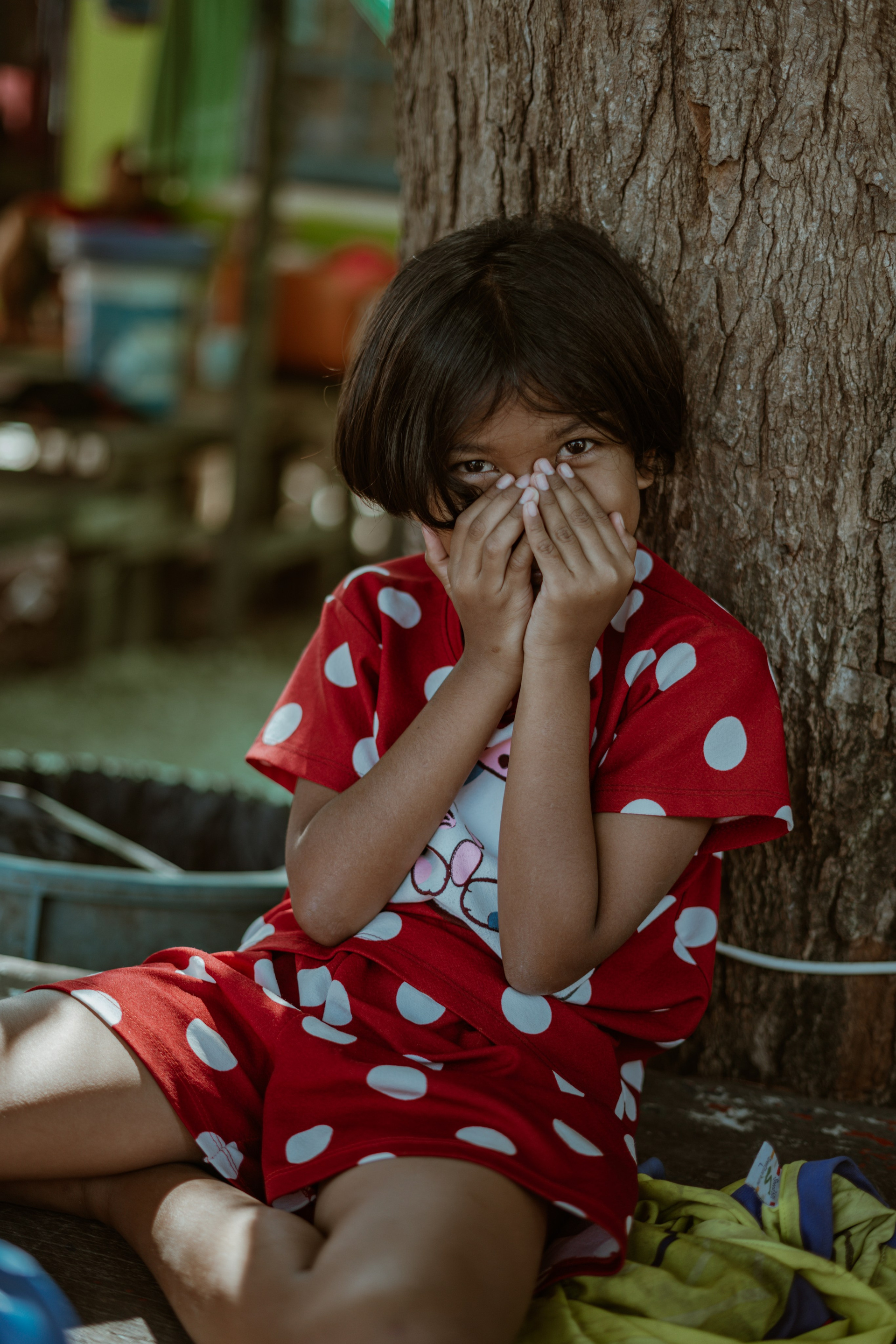
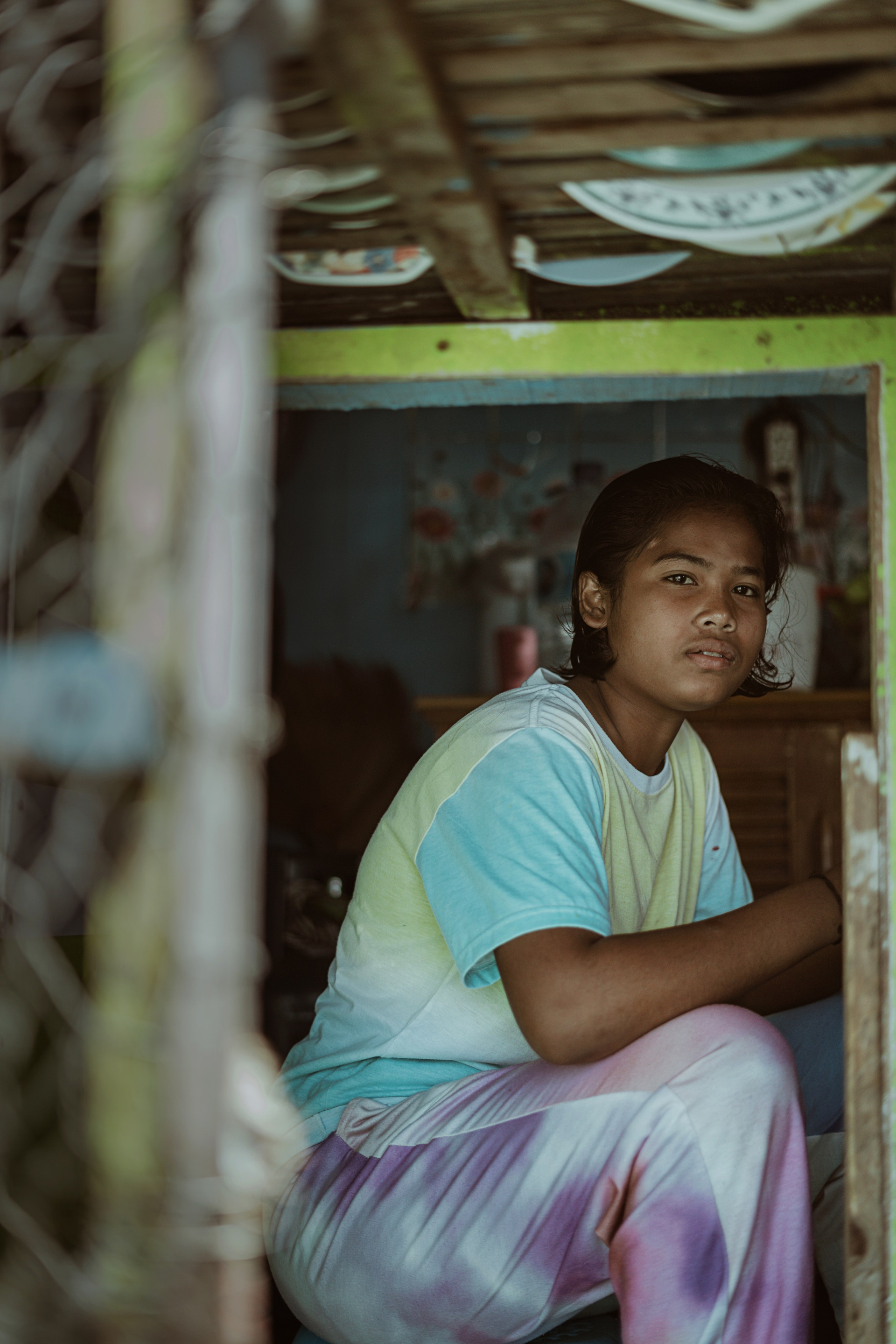
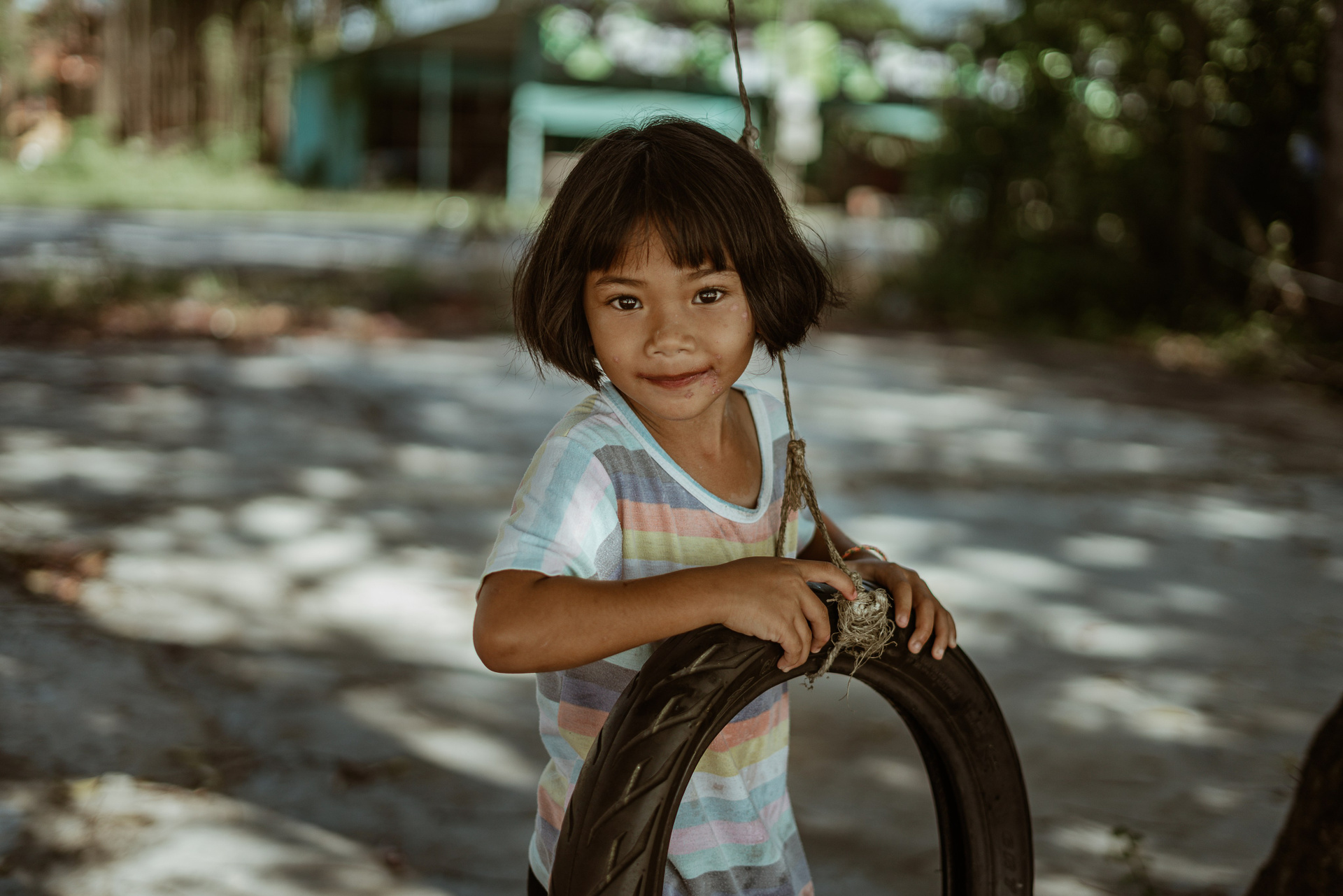
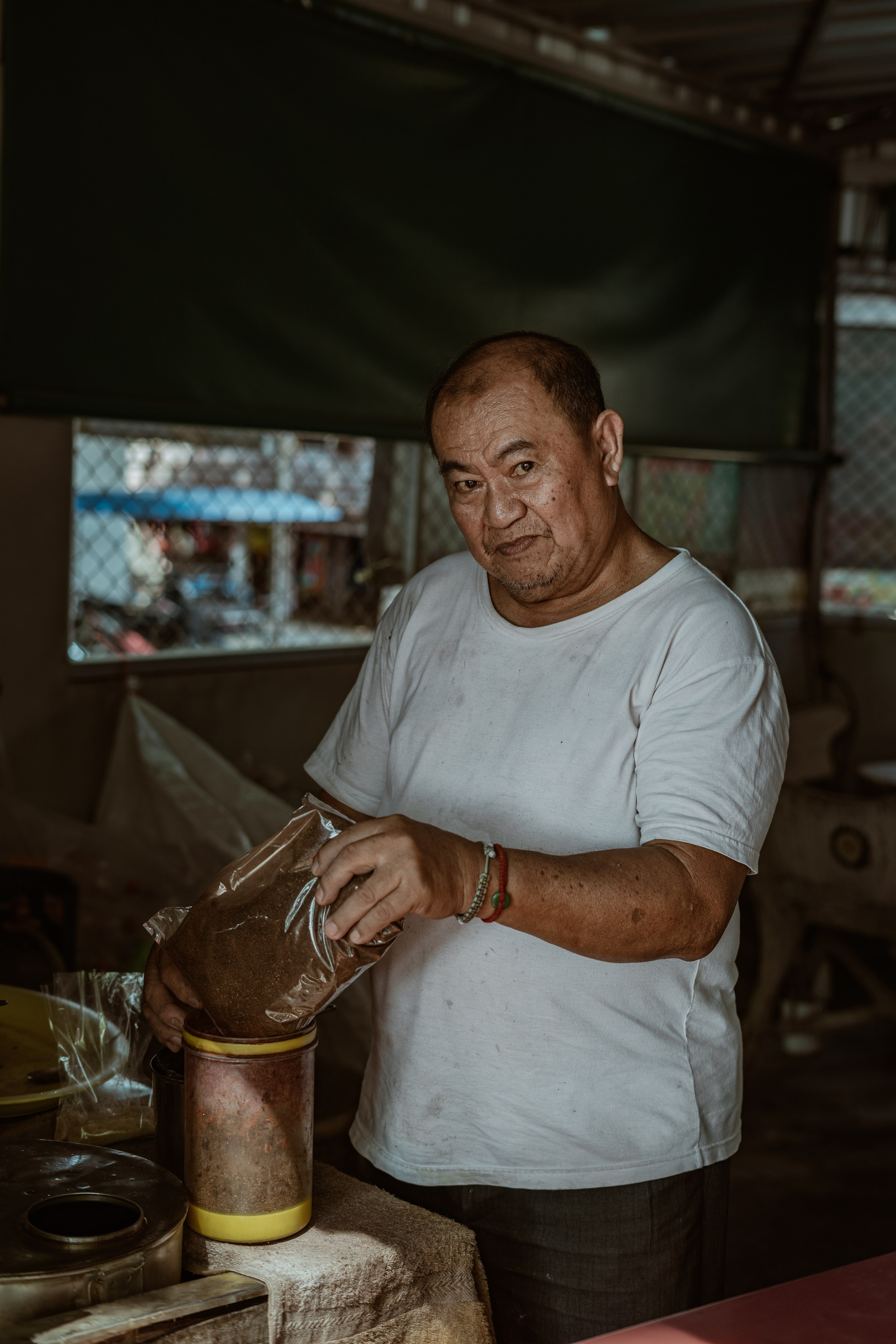
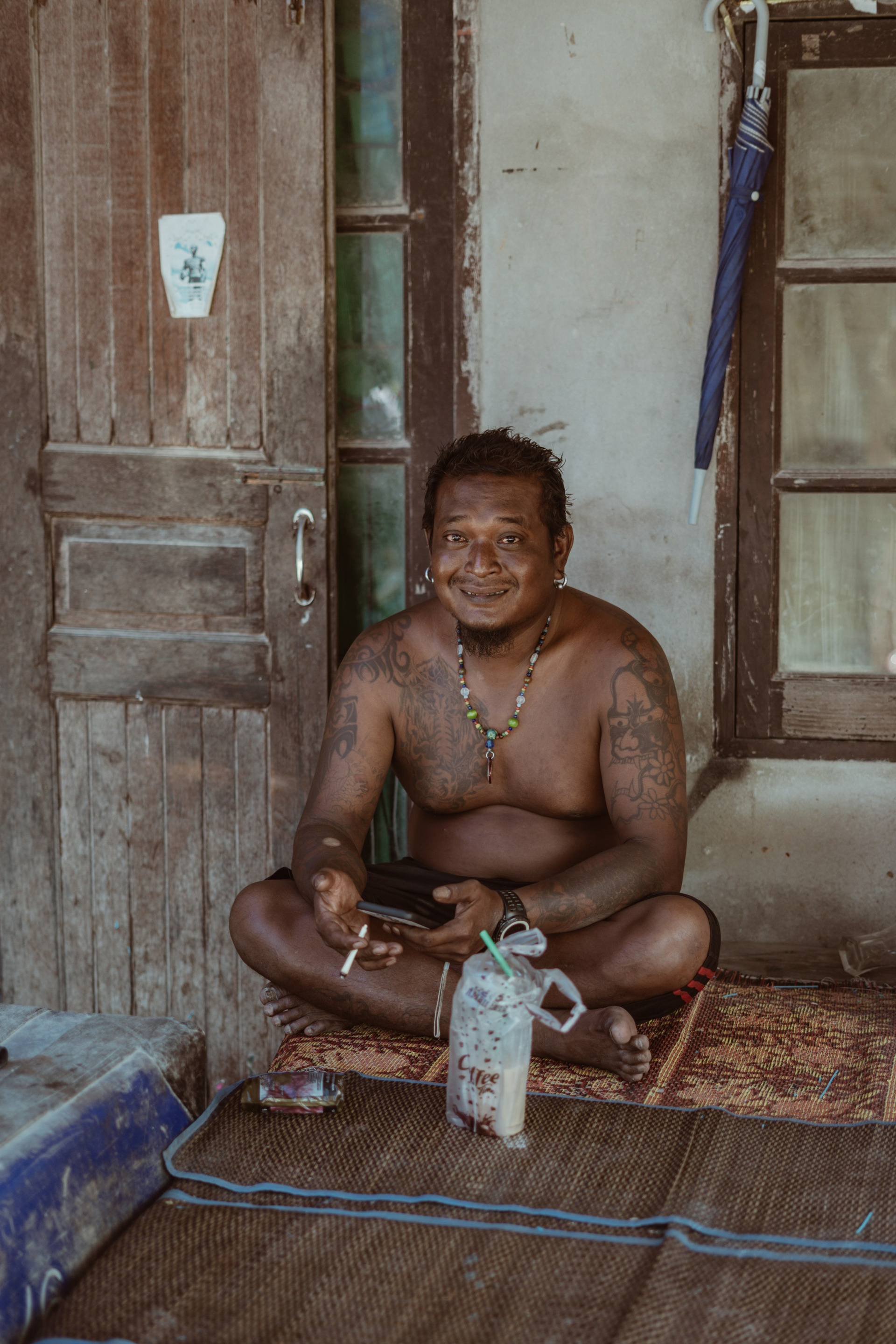
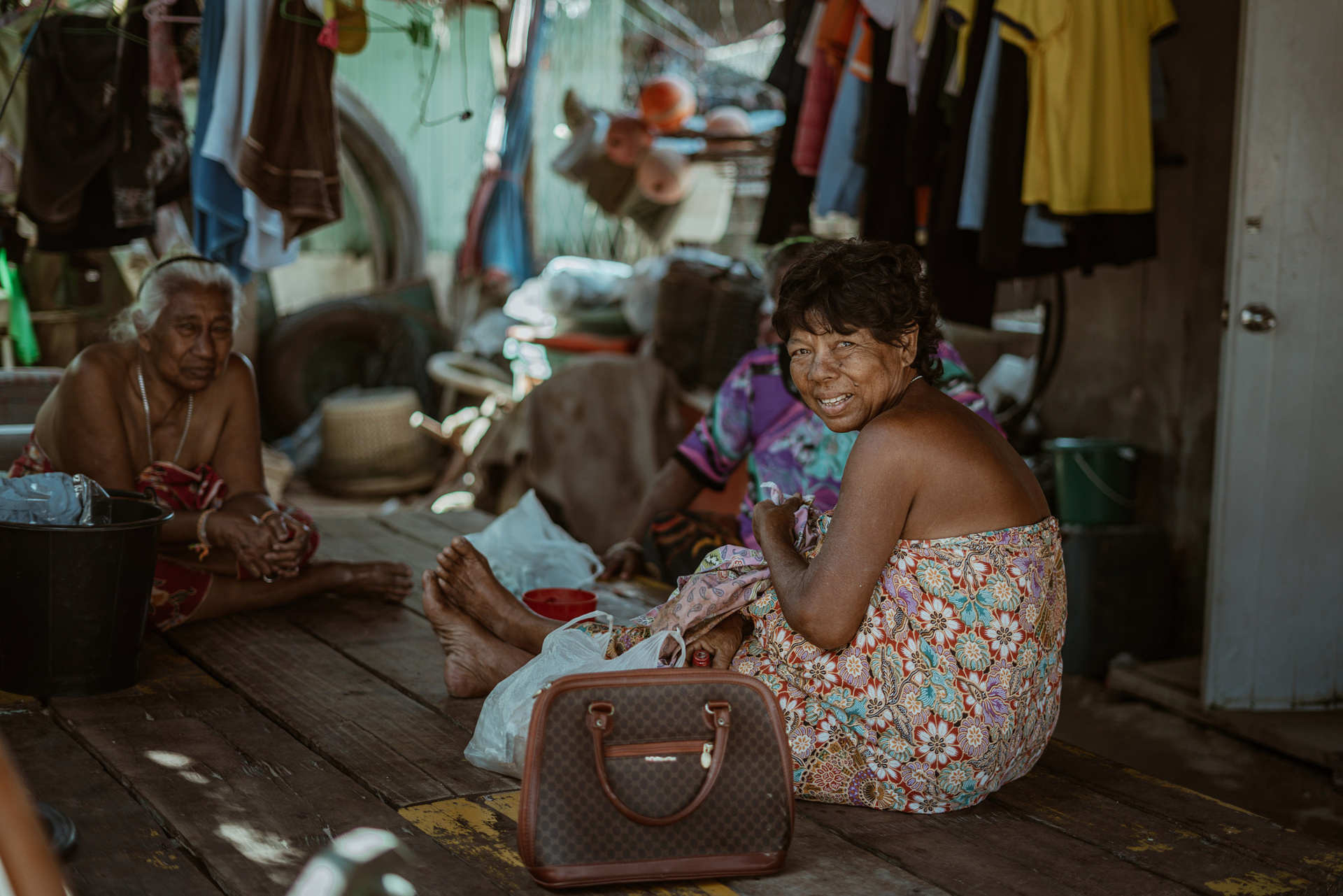
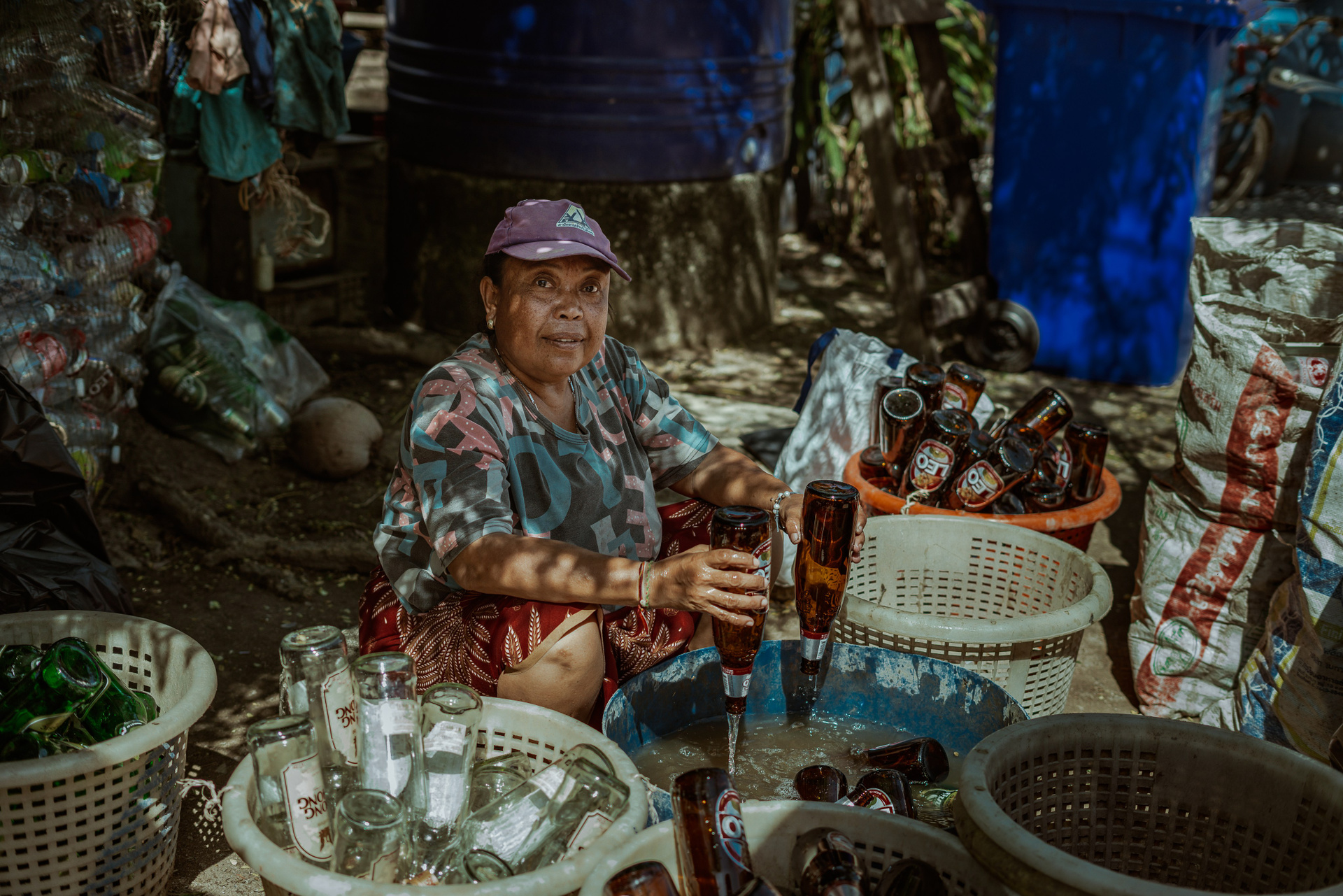
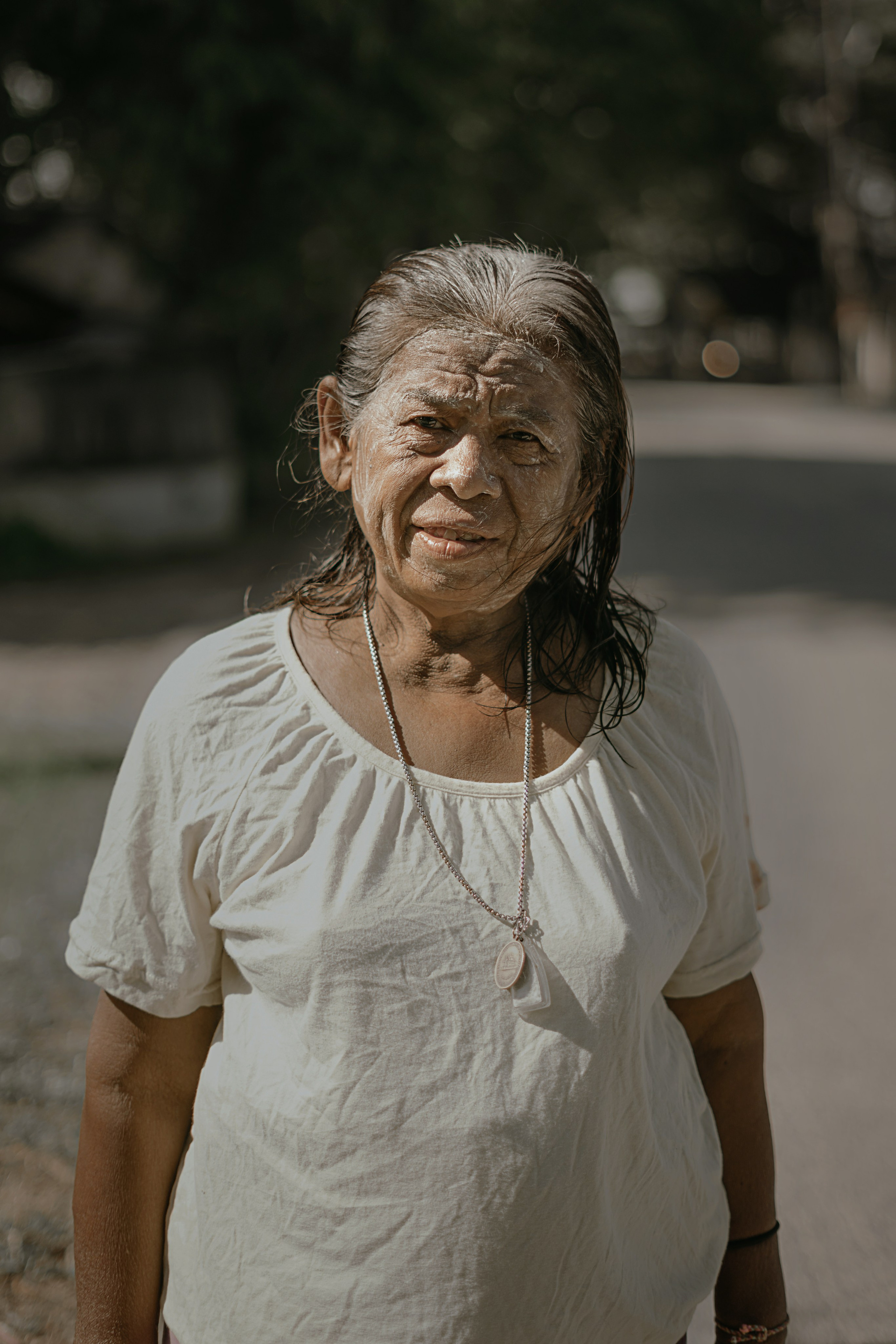
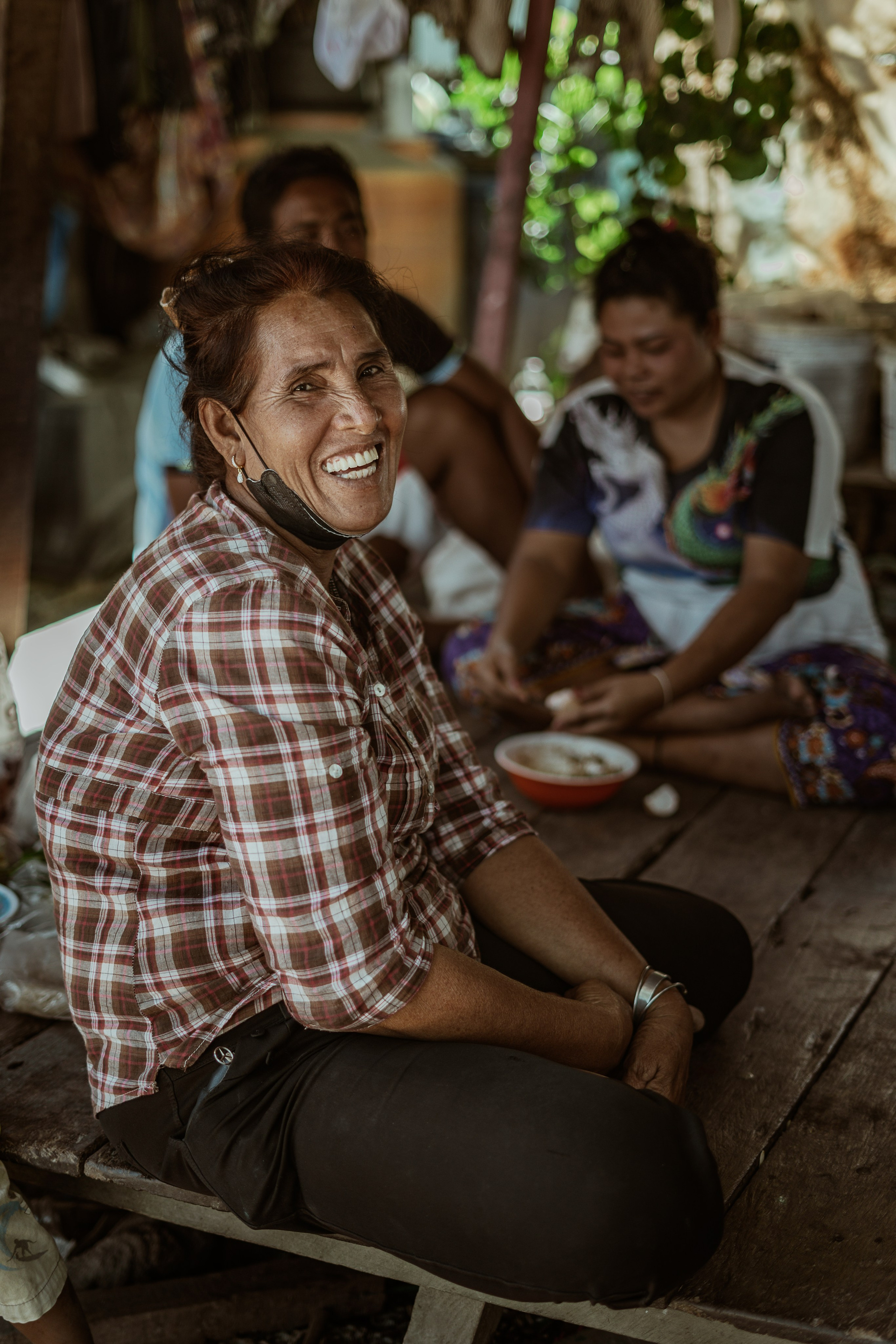
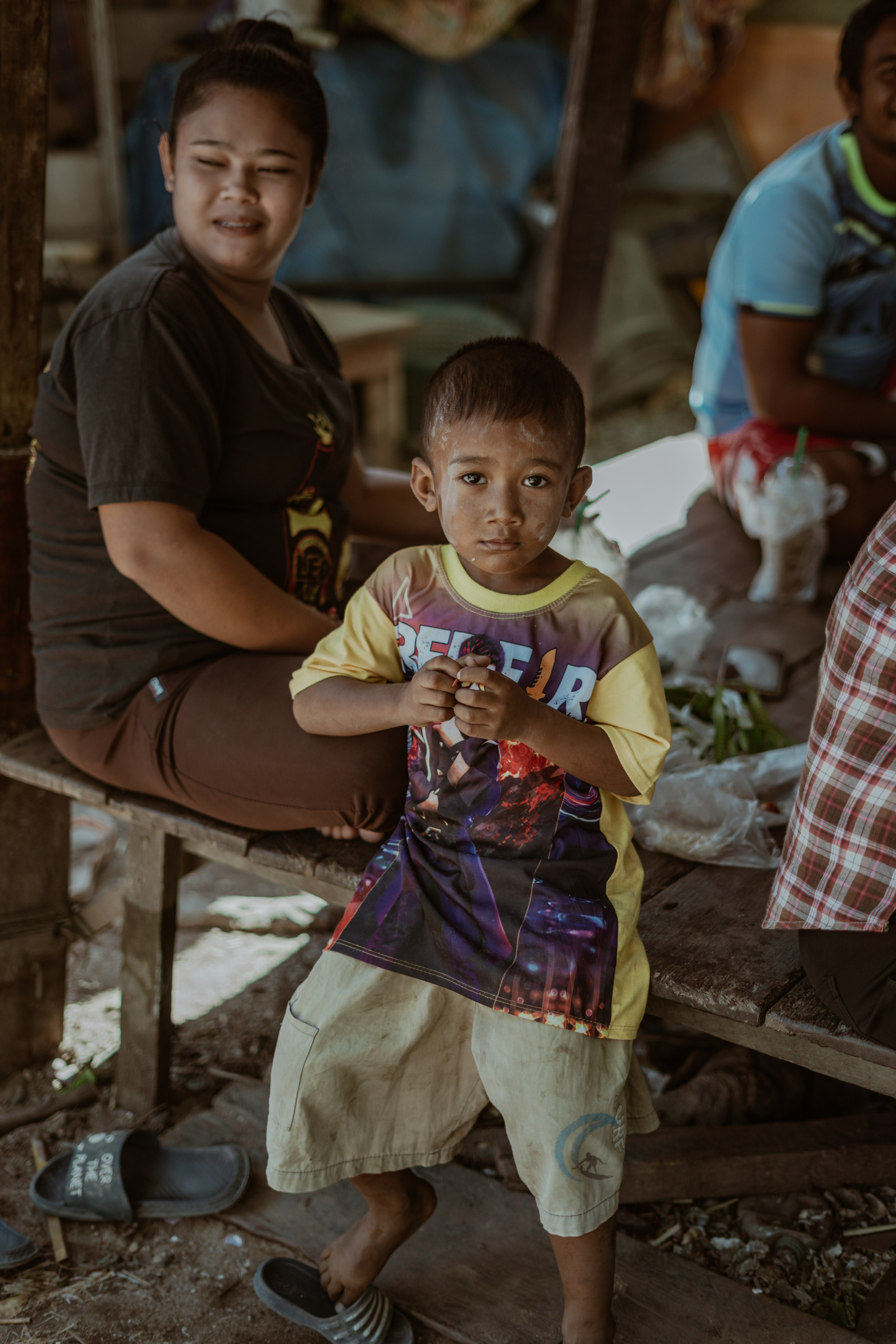
This project documents the Chaoleys and their changing way of life at a moment when cultural traditions are being reshaped by social and environmental transformation.
2022